Can You Fly With Electric Toothbrush? TSA Rules, Batteries & What to Know Before You Pack
Wondering if you can fly with an electric toothbrush? This guide breaks down TSA rules, lithium battery regulations, and whether electric toothbrushes belong in carry-on or checked luggage. Learn how to pack your toothbrush safely for air travel and avoid issues at airport security.

Short answer: yes, you can fly with an electric toothbrush and travel sized toothpaste . Whether you’re packing a rechargeable electric toothbrush, a battery powered toothbrush, or even spare lithium ion batteries, air travel with oral hygiene devices is allowed—as long as you follow TSA rules and pack wisely.
That said, most confusion comes from lithium batteries, checked baggage restrictions, and how airport security treats small electronic devices, including various battery powered devices . Below is a complete, up-to-date guide so you can bring an electric toothbrush through airport security with a hassle-free experience and keep your teeth clean while traveling.
Can You Bring an Electric Toothbrush on a Plane?
Yes. The Transportation Security Administration (TSA), also known as transportation security administration tsa, allows passengers to bring an electric toothbrush in both carry on luggage and checked luggage. Electric toothbrushes fall under the category of portable electronic devices, similar to laptops, phones, and chargers.
However, the type of battery inside your toothbrush—and where you pack it—matters.
Modern electric toothbrushes usually contain:
- Lithium ion batteries (most rechargeable toothbrushes)
- Lithium metal batteries (some battery powered devices)
- Or removable spare batteries
Each has slightly different TSA guidelines.
TSA Regulations for Electronic Toothbrushes (At a Glance)
Here’s the quick breakdown before we dive deeper:
- ✅ Carry on bag: Allowed
- ✅ Carry on baggage: Allowed
- ⚠️ Checked bags: Allowed, with conditions
- ❌ Loose batteries in checked baggage: Not allowed
- ✅ Manual toothbrush: Always allowed
- ✅ Travel sized toothpaste: Allowed (3.4 oz or less in carry on)
The key concern is battery safety, especially preventing short circuits and lithium battery fires in the cargo hold.
Example of a TSA-Friendly Electric Toothbrush for Air Travel
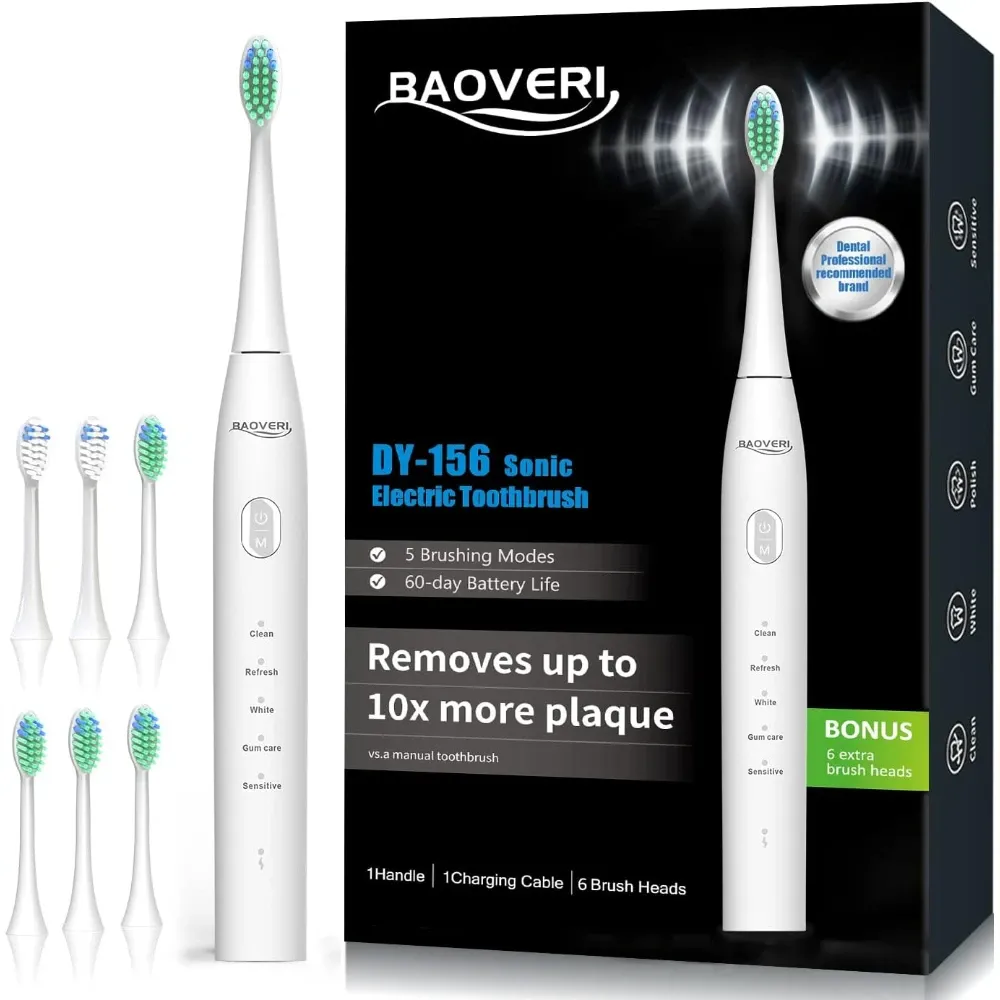
If you’re wondering what a TSA-approved electric toothbrush actually looks like in real life, a compact rechargeable electric toothbrush with a charging station with a built-in lithium ion battery is the easiest option for air travel.
For example, the BAOVERI Sonic Electric Toothbrush (DY-156 model) is a travel-friendly powered toothbrush because the lithium ion battery is installed inside the device, meaning there are no loose or uninstalled lithium batteries to worry about during airport security screening. Since the battery is not removable, it complies with Transportation Security Administration (TSA) guidelines for portable electronic devices in both carry on luggage and checked baggage.
This type of electronic toothbrush also includes a protective travel case, multiple replaceable brush heads, and a long-lasting rechargeable battery—helpful features for preventing unintentional activation while packed in your carry on bag. Keeping the toothbrush fully powered off and secured in a case helps reduce the risk of short circuits and ensures a hassle-free experience when flying.
For most travelers, packing a rechargeable electric toothbrush like this in carry on baggage is the safest choice, as it keeps lithium batteries out of the cargo hold and allows easy access for maintaining oral hygiene during layovers or long flights.
Lithium Ion Batteries & Air Travel Explained
Most rechargeable electric toothbrushes are considered modern electric toothbrushes. use lithium ion batteries because of their high energy density and long lifespan. These are the same battery types found in laptops, phones, and other electronic devices.
Why TSA Cares About Lithium Batteries
Lithium batteries can pose a fire risk if:
- Battery terminals touch metal
- Loose batteries short circuit
- A device turns on accidentally
- Batteries are damaged or uninstalled
Because fires are harder to control in the cargo hold, the Federal Aviation Administration (FAA) and TSA prefer lithium batteries to stay in the cabin where flight crews can respond quickly.
Carry On Bag vs Checked Luggage: What’s Best?
Carry On Luggage (Recommended)
Packing your electric toothbrush in your carry on bag is the safest and simplest option, unlike checked luggage .
Why carry on is better:
- Reduces risk of catching fire unnoticed
- Prevents unintentional activation
- Keeps your oral hygiene routine accessible
- No risk of battery confiscation
If your toothbrush is completely powered and sealed inside a travel case, TSA rarely gives it a second glance.
Checked Baggage (Allowed With Conditions)
You can put an electric toothbrush in checked baggage, but TSA has specific regulations:
- The device must be completely powered off
- It should be packed to prevent unintentional activation
- No loose batteries allowed
- Spare lithium ion batteries must be removed and placed in carry on
Spare Lithium Ion Batteries: What’s Allowed?
If you travel with: medication, it's important to keep your pills safe and organized with the right travel bag. Here are some of the best medication travel bags to consider.
- Spare batteries
- Replacement batteries
- Uninstalled lithium batteries
They must go in carry on baggage, never checked luggage.
TSA Guidelines for Spare Batteries
- Must be individually protected
- Keep battery terminals covered
- Use original packaging if possible
- Or place batteries in a plastic battery case
This applies whether the battery is lithium ion or lithium metal.
Preventing Short Circuits & Unintentional Activation with Electronic Devices
One of the most overlooked travel mistakes is tossing an electric toothbrush loose in a bag, which can include uninstalled lithium batteries . This can lead to:
- Accidental power-on
- Drained battery
- Short circuits
- Overheating
How to Pack an Electric Toothbrush Safely
- Use a travel case
- Remove the brush head if possible
- Lock the power button (many models allow this)
- Wrap in a soft pouch if no case is available
- Keep away from metal objects like keys or chargers
These steps help prevent short circuits and ensure compliance with TSA rules.
What About Battery Powered Toothbrushes?
Battery powered toothbrushes (non-rechargeable) often use:
- AA
- AAA
- Small lithium metal batteries
These are still allowed in both carry on and checked bags, but:
- Loose batteries must go in carry on
- Battery terminals should be covered
- Extra batteries should be individually protected
If you’re unsure, pack them in your hand luggage to avoid issues at airport security.
Manual Toothbrush vs Electric Toothbrush for Travel
Some travelers switch to a manual toothbrush for short trips. While manual brushes are easier, a powered toothbrush offers better plaque removal and helps maintain oral hygiene, especially on long flights or multi-day trips.
Electric toothbrush benefits during air travel:
- Keeps your oral hygiene routine consistent
- Helps teeth feel clean after long flights
- Pairs well with travel sized toothpaste
- More effective for braces, aligners, or sensitive gums
For most travelers, it’s worth bringing an electric toothbrush on a plane.—especially if you already use one daily.
TSA Screening: Will Airport Security Stop You?
In most cases, no. TSA agents see electric toothbrushes constantly, and tsa adds to their familiarit .
Your toothbrush may be flagged only if:
- It looks damaged
- Batteries are loose
- It activates during screening
- It’s packed with prohibited items
As long as your toothbrush complies with TSA regulations, it is not a prohibited item.
TSA Rules vs Airline Rules: Any Differences?
TSA rules apply at security checkpoints. Some airlines add additional regulations, but these rarely affect toothbrushes.
Always check:
- Airline-specific battery limits (rarely an issue)
- International airport rules if flying abroad
The TSA updates battery guidance periodically, but electric toothbrushes remain approved.
Tips for a Hassle-Free Experience
To avoid delays or confusion:
- Pack your electric toothbrush in carry on
- Remove spare batteries from checked bags
- Use a travel case
- Keep batteries individually protected
- Follow TSA guidelines for liquids and toothpaste
This ensures smooth screening and keeps your oral hygiene intact.
Frequently Asked Questions
Can you bring an electric toothbrush in your carry on?
Yes. TSA allows electric toothbrushes in carry on baggage.
Can you put an electric toothbrush in checked bags?
Yes, as long as it’s powered off and contains no loose lithium batteries.
Do lithium ion toothbrushes need to be declared?
No declaration needed if installed in the device.
Can electric toothbrush batteries catch fire?
Rarely, but improper packing increases risk—hence TSA rules.
Final Answer: Can You Fly With an Electric Toothbrush?
Yes—you can fly with an electric toothbrush, including rechargeable models with lithium ion batteries. The safest and easiest option is packing it in your carry on bag, using a travel case, and protecting any spare batteries.
With a little preparation, you can breeze through airport security, follow TSA rules, and keep your oral hygiene routine intact—no matter how short or long your trip is.
Pack wisely, follow TSA guidelines, and enjoy clean teeth at 30,000 feet ✈️🦷
Happy Travels! 🌍
 Raquel